
Subspecialty Department of Pregnancy Ultrasound
During pregnancy, ultrasound is performed for several reasons, from assessing the health of the fetus and evaluating the condition of the placenta and amniotic fluid to determining gestational age and diagnosing multiple pregnancies. This safe and non-invasive method, which does not use radiation, is highly suitable for diagnosing and monitoring the condition of the fetus. One of the important challenges during pregnancy is finding a reputable and well-equipped ultrasound center that can provide quality and reliable services.
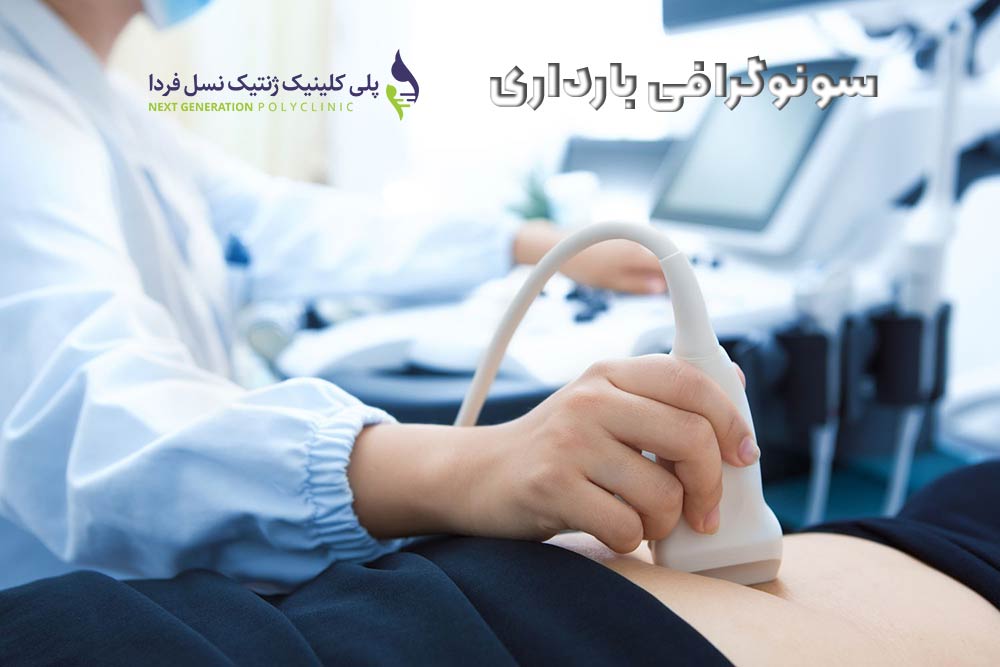
pregnancy ultrasound
For many expectant mothers, an important question is why having an ultrasound during pregnancy is important. The answer to this question is very simple: a pregnancy ultrasound is a key tool for assessing the health of the fetus and preventing potential problems. This advanced technology allows doctors to carefully monitor the growth and development of the fetus and identify any issues or abnormalities in the early stages.
One of the primary reasons for the importance of pregnancy ultrasound is the possibility of early diagnosis of fetal diseases and abnormalities. By identifying problems in the initial stages, doctors can take the necessary measures for treatment or better management, which can help prevent more significant issues after birth. For example, some fetal diseases and conditions are treatable or manageable, and timely diagnosis can prevent more serious complications.
Pregnancy ultrasound also allows doctors to assess the function of the fetus’s five senses. These assessments include checking the status of vision, hearing, and other senses of the fetus. Furthermore, the growth rate of the fetus is monitored at each stage of pregnancy, and if there is any growth deficiency, necessary measures are taken to correct it.
Another advantage of pregnancy ultrasound is that there is no limit to the number of times it can be performed. Expectant mothers can undergo this test several times during their pregnancy to ensure the health of their fetus.
Finally, pregnancy ultrasound not only helps assess the health of the fetus but also allows parents to await the birth of their child with greater peace of mind. Therefore, choosing a reputable and well-equipped center for performing the ultrasound is very important to receive the best care and services. At the Nasle Farda Genetics Clinic, we are ready to provide superior services to our clients and compatriots with the most advanced equipment.
The importance of pregnancy ultrasound
For many expectant mothers, an important question is why having an ultrasound during pregnancy is important. The answer to this question is very simple: a pregnancy ultrasound is a key tool for assessing the health of the fetus and preventing potential problems. This advanced technology allows doctors to carefully monitor the growth and development of the fetus and identify any issues or abnormalities in the early stages.
One of the primary reasons for the importance of pregnancy ultrasound is the possibility of early diagnosis of fetal diseases and abnormalities. By identifying problems in the initial stages, doctors can take the necessary measures for treatment or better management, which can help prevent more significant issues after birth. For example, some fetal diseases and conditions are treatable or manageable, and timely diagnosis can prevent more serious complications.
Pregnancy ultrasound also allows doctors to assess the function of the fetus’s five senses. These assessments include checking the status of vision, hearing, and other senses of the fetus. Furthermore, the growth rate of the fetus is monitored at each stage of pregnancy, and if there is any growth deficiency, necessary measures are taken to correct it.
Another advantage of pregnancy ultrasound is that there is no limit to the number of times it can be performed. Expectant mothers can undergo this test several times during their pregnancy to ensure the health of their fetus.
Finally, pregnancy ultrasound not only helps assess the health of the fetus but also allows parents to await the birth of their child with greater peace of mind. Therefore, choosing a reputable and well-equipped center for performing the ultrasound is very important to receive the best care and services. At the Nasle Farda Genetics Clinic, we are ready to provide superior services to our clients and compatriots with the most advanced equipment.
Advantages of pregnancy ultrasound
Pregnancy ultrasound offers numerous benefits that help expectant mothers and physicians obtain accurate information about fetal health and the progress of the pregnancy. Some of these advantages are outlined below:
Safety
Ultrasound is a safe imaging method that uses sound waves to create images. These high-frequency waves do not harm the human body and, unlike X-rays, pose no potential risk to the fetus. Therefore, ultrasound is recognized as a safe and reliable method for monitoring fetal well-being during pregnancy.
Cost-Effectiveness
Pregnancy ultrasound is a low-cost and affordable method for assessing fetal condition. The expenses associated with ultrasound are significantly lower compared to complex postnatal treatments. Thus, timely ultrasound examinations can help identify and, when possible, treat many fetal issues before birth, contributing to future healthcare cost savings.
Comprehensive Fetal Assessment
Pregnancy ultrasound enables a thorough evaluation of the fetus, providing physicians with vital information about the pregnancy’s status and fetal health. Through ultrasound, the following can be determined:
Diagnosis of ectopic pregnancy, miscarriage, and early complications: Ultrasound can detect early pregnancy issues and suggest appropriate interventions.
Determination of gestational age and due date: Ultrasound assists in accurately estimating the pregnancy’s duration and predicting the delivery date.
Assessment of fetal growth and movement: This method allows physicians to monitor fetal growth, movements, and heartbeat.
Detection of multiple pregnancies: Ultrasound can determine the number of fetuses and identify multiple pregnancies.
Examination of pelvic organs: The tool is also useful for evaluating the condition of pelvic organs such as the uterus, ovaries, and cervix.
Evaluation of amniotic fluid and placental location: Ultrasound can assess the amount of amniotic fluid and the placement of the placenta.
Identification of fetal defects and congenital abnormalities: Ultrasound enables the detection of defects in fetal organs, muscles, and bones.
Assessment of congenital conditions: Certain congenital conditions can be identified through ultrasound.
Performance of prenatal tests: The method aids in conducting prenatal tests such as amniocentesis or chorionic villus sampling.
Overall, pregnancy ultrasound helps expectant mothers and physicians monitor the pregnancy with greater confidence and ensure the proper health and development of the fetus. By choosing a reputable and well-equipped center for ultrasound, you can benefit from all the advantages of this method and experience a peaceful pregnancy. At Nasle Farda Genetics Clinic, we are ready to provide ultrasound services to our fellow citizens and compatriots using the latest equipment and experienced specialists.
When to have your first pregnancy ultrasound
The timing of the first pregnancy ultrasound can vary depending on individual circumstances and the doctor’s recommendation. Typically, this ultrasound is performed in the first trimester, between weeks 7 and 8, and is often done transvaginally. The main goals of this ultrasound are to confirm the pregnancy, determine the number of fetuses, and estimate the due date.
Confirming Pregnancy and Fetal Status
The first ultrasound is conducted to confirm the pregnancy and assess the initial condition of the fetus. This preliminary evaluation helps the doctor ensure the fetus is properly implanted in the uterus and rule out the possibility of an ectopic pregnancy.
Detecting Multiple Pregnancies
This ultrasound allows doctors to determine the number of fetuses. If it is a multiple pregnancy, the information obtained from this ultrasound is crucial for planning specialized care and better managing the pregnancy.
Determining Gestational Age and Due Date
One of the key objectives of this ultrasound is to accurately determine the gestational age and predict the due date. By measuring the fetal length and other pregnancy indicators, the doctor can more precisely estimate the gestational age and make necessary plans.
First Trimester Screening
Some doctors may perform the first ultrasound around week 12 of pregnancy. This ultrasound is part of the first-trimester screening and involves a more detailed assessment of fetal health and a more accurate calculation of gestational age. At this stage, additional checks are also performed to detect fetal abnormalities.
In summary, the timing of the first pregnancy ultrasound may vary depending on individual circumstances and the doctor’s opinion. The initial ultrasound plays a crucial role in assessing the pregnancy’s status and planning prenatal care. To ensure the best timing and method for the ultrasound, be sure to consult with your doctor.
20-week pregnancy ultrasound
The 20-week pregnancy ultrasound is one of the most important and comprehensive ultrasounds performed during pregnancy. Commonly known as the “anomaly scan” or “level II ultrasound,” its primary purpose is to conduct a detailed assessment of fetal health and detect any potential abnormalities.
Determining Fetal Gender
During the 20-week ultrasound, the physician can determine the baby’s gender by carefully observing images of the fetal genitalia. If the fetus is in a favorable position, gender identification can be easily accomplished. If not, an additional ultrasound may be required for gender determination.
Structural Examination of the Fetus
This ultrasound is performed to meticulously examine various structures of the fetal body. The physician evaluates the following:
Head and Brain: Assessment of the brain’s shape and size, the skull, and its internal structures.
Heart: Evaluation of the heart’s structure and function to identify any cardiac abnormalities.
Spine: Examination of the spine’s structure and alignment to detect potential issues.
Cleft Lip and Palate: Inspection of the facial area to diagnose cleft lip or palate.
Limbs and Bones: Assessment of the length and structure of the fetus’s bones and limbs.
Kidneys and Bladder: Review of the function and structure of the kidneys and bladder.
Growth and Development Assessment
At this stage of pregnancy, the physician evaluates fetal growth and development by measuring various dimensions of the fetus, such as head circumference, femur length, and abdominal circumference. This information helps ensure the fetus is developing correctly.
Examination of Placental Location and Amniotic Fluid
The 20-week ultrasound also includes an assessment of the placenta’s location and the amount of amniotic fluid. This information helps the physician confirm the health of the fetal environment within the uterus.
The 20-week ultrasound is a crucial step in prenatal care, providing comprehensive and detailed information about the fetus’s health status. These evaluations assist physicians and parents in taking necessary measures to maintain the health of both the fetus and the mother, if required.
The last pregnancy ultrasound
One of the common questions pregnant women ask is when the final pregnancy ultrasound should be performed. Different sources suggest various timeframes for this last ultrasound, but generally, ultrasounds after week 28 of pregnancy are considered final evaluations.
Ultrasound at Week 31
Many physicians recommend week 31 of pregnancy as the appropriate time for the final ultrasound. At this stage, the fetus has grown sufficiently to allow many important final assessments to be conducted. This ultrasound examines the following:
Fetal Growth and Weight
This ultrasound helps physicians ensure the fetus’s weight is appropriate for its gestational age. Measurements such as bone length, head circumference, and abdominal circumference are evaluated.
Fetal Position
The fetus’s position in the uterus is crucial, as it can influence the delivery process. At this stage, the physician checks whether the fetus is in an optimal position for birth.
Fetal Heartbeat and Viability
The ultrasound confirms the fetus’s viability and examines its heartbeat. The rate, rhythm, and regularity of the heartbeat are indicators of fetal health.
Amniotic Fluid Volume
The amount of amniotic fluid is another key factor assessed at this stage. Abnormal amniotic fluid levels may indicate issues requiring attention.
Placental Location and Function
The placenta’s position, maturity, and aging are evaluated during this ultrasound. Additionally, placental adhesion and its function in supplying blood to the fetus are examined using Doppler ultrasound.
Umbilical Cord Assessment
The physician checks for any knots or loops of the umbilical cord around the fetus’s neck or limbs, as these can cause complications during delivery.
Congenital Abnormalities
A 4D ultrasound at this stage can help detect any congenital defects or abnormalities, ensuring the fetus is developing correctly.
Estimated Delivery Date
Based on all these assessments, the physician can approximate the delivery date and help the mother prepare for this important event.
The final pregnancy ultrasound reassures mothers that the fetus is in an optimal condition for delivery and that any potential concerns or issues are identified and managed in a timely manner.
Pregnancy ultrasound chart by week
During pregnancy, performing ultrasounds at specific times is crucial for monitoring the health of both the mother and the fetus. Each stage of pregnancy requires a particular ultrasound, scheduled according to gestational weeks and medical necessities. Below is a breakdown of the recommended weeks, along with the necessity and reason for each ultrasound.
| Gestational Week | Necessity and Reason for Ultrasound |
|---|---|
| Weeks 6-7 (First Month Pregnancy Ultrasound) | To check fetal heart health and confirm the presence of a gestational sac. |
| Weeks 11-14 (First Trimester Ultrasound) | To perform NT (nuchal translucency) scanning and blood tests for assessing the risk of genetic abnormalities. |
| Weeks 16-19 | To determine the fetal gender. |
| Weeks 18-23 (Anomaly Scan) | To conduct a detailed examination of fetal structures and detect possible abnormalities. |
| Week 28 | To evaluate fetal weight gain and assess growth progress. |
| Week 30 | To investigate suspicious issues such as low weight or abnormal amniotic fluid levels. |
| Weeks 31-34 | To estimate fetal weight and assess overall growth status. |
| Week 33 | To determine fetal weight if previous ultrasounds were not performed. |
| Week 31 | The final essential pregnancy ultrasound for accurate gender determination and a comprehensive health check of the fetus. |
Additional Explanations:
Weeks 6-7: At this stage, the ultrasound confirms the pregnancy and checks the initial health of the fetus. Key goals include detecting the fetal heartbeat and verifying the presence of the gestational sac.
Weeks 11-14: The NT ultrasound measures the nuchal translucency thickness at the back of the fetal neck, which may indicate genetic abnormalities. Blood tests are also conducted simultaneously.
Weeks 16-19: During this period, the fetal gender can usually be determined, and the ultrasound is performed for this purpose.
Weeks 18-23: This is one of the most important pregnancy scans, where fetal structures are carefully examined to identify any potential abnormalities.
Week 28: The ultrasound assesses fetal weight gain to ensure proper growth.
Week 30: This scan investigates suspicious issues such as low fetal weight or problems related to amniotic fluid levels.
Weeks 31-34: Fetal weight estimation and a final health assessment are conducted during this period.
Week 33: If ultrasounds from previous weeks were not performed, determining fetal weight at this stage becomes necessary.
Week 31: The final pregnancy ultrasound is performed for accurate gender determination and a comprehensive health evaluation of the fetus.
This table can help expectant mothers better understand the timing and importance of various ultrasounds during pregnancy, allowing them to approach each critical stage with greater preparedness and confidence.
final word
Ultrasound is one of the most vital medical tools during pregnancy, allowing mothers and doctors to ensure the proper health and growth of the fetus. This process not only helps confirm pregnancy and determine the baby’s gender but also enables the timely identification and management of potential issues through regular and detailed examinations.
If you are pregnant or planning a pregnancy, it is highly recommended that you consult with an obstetrician-gynecologist. Receiving advice and undergoing regular ultrasounds can provide you with greater peace of mind and ensure that all stages of your pregnancy proceed in the best possible way.
Nasle Farda Genetics Clinic, by providing consultation and ultrasound services from the country’s top specialists, can be your companion on this journey and protect the health of both you and your baby. By utilizing the experience and expertise of this clinic, you can navigate your pregnancy with peace of mind and receive the necessary care.
Frequently asked questions
When is the best time to hear the fetal heartbeat?
The fetal heartbeat usually begins to beat in the fifth or sixth week of pregnancy. The best time to hear the fetal heartbeat clearly and reliably is in the tenth week of pregnancy, after the heart is fully formed.
When can pregnancy be detected on ultrasound?
Pregnancy can usually be detected by transvaginal ultrasound at 4 to 5 weeks of pregnancy. Abdominal ultrasound at 5 and 6 weeks of pregnancy can also identify a pregnancy mass.
Is it necessary to have an ultrasound before pregnancy?
An ultrasound is not required before pregnancy, but it can be very helpful. This ultrasound can help identify the number of active eggs, detect ovarian insufficiency, and the presence of cysts. By having this ultrasound and ensuring that the conditions are suitable, you can try to get pregnant with more peace of mind.
What is the error rate of ultrasound in determining the sex of a girl?
Ultrasounds to determine the sex of the baby at 11 and 12 weeks of pregnancy usually have a low error rate. However, if this ultrasound is performed at 13 weeks of pregnancy, the baby’s sex can be determined with a very high degree of accuracy.
When is the best time to have an anomaly ultrasound?
An anomaly ultrasound is best performed between weeks 18 and 23 of pregnancy. At this time, the fetal body structures are clearly visible and possible abnormalities can be detected.
How long do we need to fill the bladder before an ultrasound?
For many ultrasounds, especially pelvic ultrasounds, it is recommended that you have a full bladder. It is best to drink plenty of water about an hour before the exam and not empty your bladder until the ultrasound is done.
Are 3D and 4D ultrasounds dangerous for the fetus?
3D and 4D ultrasounds are generally safe, but because they send out more ultrasound waves than 2D ultrasounds, it is recommended that they be performed only when necessary and under the supervision of a doctor.