
Infertility treatment
Infertility can arise from various causes, including physical issues, hormonal imbalances, or a combination of factors from both partners. In some cases, the exact cause remains unexplained, necessitating further specialized evaluation for effective infertility treatment. On this page of the Nasle Farda Genetics Clinic, we will explore the causes and symptoms of infertility in women, along with a range of treatment options. Our goal is to provide comprehensive and up-to-date information for individuals seeking scientific and effective solutions to this challenge, hoping that through collaboration with specialists and the use of appropriate methods, they can achieve their dream of having a child. Join us as we delve deeper into this topic and support you in taking steps toward infertility treatment.
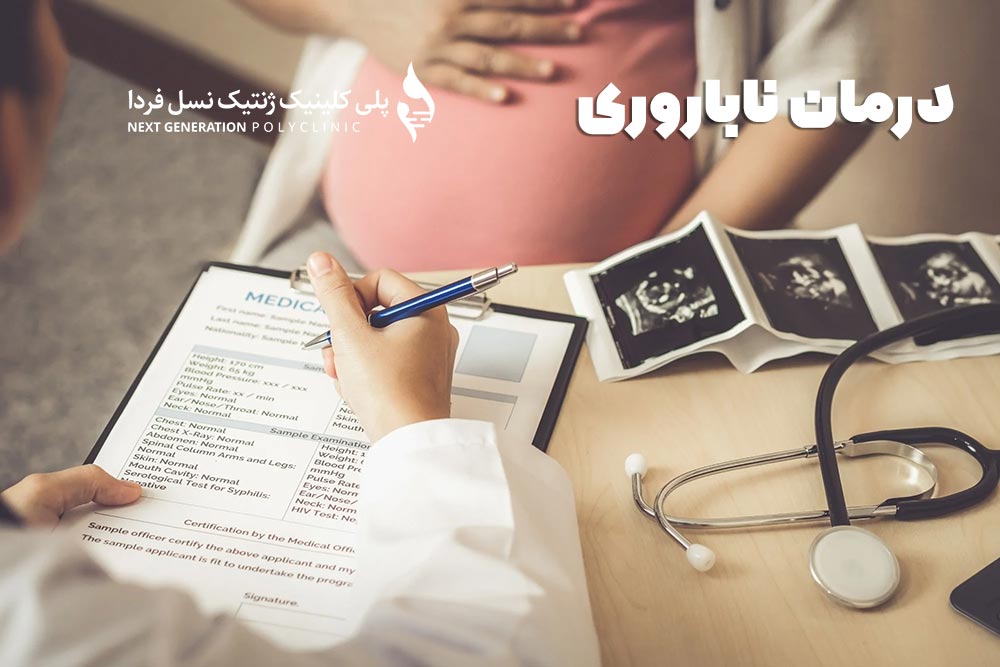
What is infertility?
Infertility is defined as the inability to achieve pregnancy after one year of unprotected sexual intercourse. This condition can arise from various causes and may originate from either partner, potentially requiring treatment for both. However, for women over the age of 35, due to the gradual decline in fertility with age, doctors recommend seeking specialized infertility evaluations after 6 months of attempting conception.
Before starting infertility treatment, it is important for women experiencing infertility to be under the care of a reproductive endocrinologist. These specialists are specifically trained in managing and treating fertility issues and can help diagnose the exact causes of infertility and suggest effective treatments. Particularly in cases where infertility is accompanied by recurrent miscarriage—meaning women who have experienced multiple consecutive pregnancy losses—accurate diagnosis and treatment by these specialists can help resolve underlying issues and improve the chances of a successful pregnancy.
Causes of infertility in women
Infertility in women can arise from multiple causes, some related to physical conditions and others to hormonal changes, all of which may require infertility treatment. One key factor affecting female fertility is age. Women are born with a finite number of eggs, and both the quantity and quality of these eggs naturally decline over time. After age 30, the chance of conception decreases by 3–5% each year, a decline that accelerates after age 40.
Besides age, other factors can also affect fertility and may require infertility treatment:
Fallopian Tube Issues: The fallopian tubes, responsible for transporting the egg from the ovary to the uterus, can prevent the union of egg and sperm if damaged or blocked. Conditions such as pelvic infections, endometriosis, and prior surgeries can lead to scar tissue and tubal blockage, necessitating infertility treatment.
Hormonal Disorders: Reproductive hormones play a vital role in ovulation and preparing the uterus to receive a fertilized egg. Any disruption in the secretion of these hormones can lead to ovulation problems and the inability of the embryo to implant in the uterine lining. Hormonal disorders are often accompanied by changes in menstrual patterns and require infertility treatment.
Cervical Issues: Disorders of the cervix, such as abnormal secretions or surgical damage, can affect sperm passage through the cervix. This issue can be treated with methods like intrauterine insemination (IUI), although it is less common than other fertility problems.
Uterine Problems: Anatomical abnormalities in the uterus, including polyps or fibroids, can affect the uterus’s ability to accept a fertilized egg and cause infertility.
Unexplained Infertility: In some cases, the cause of infertility cannot be identified with current diagnostic methods. This is known as unexplained infertility, and in such situations, further evaluation and advanced treatment methods may be necessary.
A precise understanding and accurate identification of these causes can help in finding effective infertility treatments and improving the chances of pregnancy.
Diagnosing the cause of infertility
The process of diagnosing and treating infertility involves a series of precise and varied steps designed to identify the exact causes of the problem. The first step in this journey is evaluating sperm quality and quantity in men. A semen analysis is performed to examine sperm count, motility, and morphology to determine if the issue lies with the male partner. If the semen analysis results are normal, the focus shifts to investigating potential issues in the female partner.
For diagnosing and treating infertility in women, blood tests are typically initially prescribed to measure levels of various hormones. These tests can help identify hormonal disorders that may affect ovulation or uterine health.
Subsequently, for a more detailed assessment of the uterine lining, an endometrial biopsy may be performed. This procedure can help detect issues such as polyps or abnormal changes in the uterine tissue.
To evaluate the health of the fallopian tubes and check for structural problems in the uterus, a vaginal ultrasound and hysterosalpingography (HSG) are conducted. During an HSG, a contrast dye is injected through the cervix into the uterus and fallopian tubes, and X-ray images are taken to identify blockages or other issues in the tubes.
If the cause of infertility remains unclear after these methods, the doctor may resort to laparoscopy. This procedure involves making small incisions in the abdominal area and inserting a narrow tube with a camera into the abdomen. Using laparoscopy, the doctor can directly observe the condition of the uterus, ovaries, and fallopian tubes, and identify problems such as endometriosis or tubal blockages.
This comprehensive set of tests and procedures enables doctors to accurately identify the underlying causes of infertility and develop an appropriate treatment plan tailored to each patient.
What are the symptoms of infertility?
Infertility can affect both sexes, and its symptoms vary depending on gender and individual conditions, requiring infertility treatment for both. Awareness of infertility symptoms aids in early problem identification and seeking effective infertility treatment.
Symptoms of Infertility in Men
Hormonal Disorders: Hormonal imbalances in men, particularly issues with testosterone production, can lead to infertility. Testosterone is essential for sperm production, and any disruption in the production of this or other fertility-related hormones can affect sperm quality, necessitating infertility treatment.
Erectile Dysfunction: Difficulty achieving or maintaining an erection during sexual intercourse may indicate an underlying hormonal, psychological, or physical problem. This can impact sexual quality and fertility, requiring infertility treatment.
Ejaculation Disorders: Changes in the ejaculation process, such as reduced semen volume or failure to ejaculate (anejaculation), can indicate fertility problems. These issues require thorough evaluation by specialists for infertility treatment.
Changes in the Testicles: Abnormal testicles, including those that are swollen, tender, or firm, can be signs of hormonal problems or local infections that directly affect sperm production.
Obesity: Obesity can indirectly affect male fertility. Excess weight can cause hormonal imbalances, reduce sperm quality, and lead to sexual performance issues.
Symptoms of Infertility in Women
Pain During Intercourse: Pain or discomfort during sexual intercourse (dyspareunia) can indicate serious health issues with the uterus or other parts of the reproductive system. Conditions such as infections, endometriosis, and fibroids may cause this pain.
Irregular or Painful Periods: Women may experience very heavy, prolonged, or painful menstrual cycles. These problems can point to hormonal disorders or medical conditions like endometriosis, where uterine tissue grows outside the uterus.
Identifying these symptoms and consulting a doctor for more detailed examinations is the first step toward finding the cause of infertility and receiving appropriate treatment. The earlier problems are identified and treated, the higher the chances of successful infertility treatment.
Factors contributing to infertility
Infertility is a complex issue that can arise from various causes in both men and women. These problems may be related to physiological, environmental, and lifestyle factors, with notable differences between the sexes. Below, we examine the factors that can affect fertility.
Infertility in Men
Sperm Quality and Quantity: Issues such as low sperm count, abnormal morphology, or poor motility can impact fertility. Low-quality sperm may not be able to effectively travel through the reproductive tract and fertilize an egg.
Age and Lifestyle: Increasing age can lead to hormonal changes and reduced sperm quality. Additionally, smoking, alcohol consumption, and being overweight are significant factors that can affect sperm production and quality.
Environmental Factors: Exposure to chemical toxins, such as pesticides and heavy metals, can contribute to fertility problems. These toxins can damage sperm production and quality.
Medical Conditions: Certain medical conditions like varicocele (swelling of the veins in the scrotum), retrograde ejaculation, and hormonal imbalances can lead to infertility. Additionally, medications such as anabolic steroids and recreational drugs can negatively impact fertility.
Infertility in Women
Ovulation Problems: Disorders in the ovulation process, such as polycystic ovary syndrome (PCOS) and hormonal imbalances, can lead to fertility issues. Irregular or absent menstrual periods may indicate these problems.
Lifestyle and Health Factors: Advanced age, smoking, and excessive alcohol consumption are factors that can affect female fertility. Additionally, being overweight, obese, or underweight can lead to hormonal disorders and ovulation problems.
Medical Conditions: Pelvic inflammatory disease (PID), endometriosis, and uterine fibroids are among the conditions that can impact fertility. These diseases can cause damage to the reproductive system and disrupt the implantation of a fertilized egg.
Medications and Drugs: The use of chemotherapy drugs, radiation therapy, and certain anti-inflammatory medications can affect female fertility. Additionally, recreational drug use such as marijuana and cocaine can lead to fertility problems.
Ultimately, fertility issues can result from a combination of various factors. Thorough evaluation and consultation with specialists can help identify and manage these problems. Lifestyle changes, medical treatments, and professional counseling can play a significant role in improving fertility outcomes.
The effect of nutrition on fertility and infertility treatment
Recent research from the Harvard T.H. Chan School of Public Health and Harvard Medical School indicates that diet can play a significant role in natural fertility. Proper dietary choices can not only increase the chances of conception but also aid in infertility treatment.
Diet’s Impact on Female Fertility
Folic Acid and Vitamin B12: These two nutrients are crucial for enhancing fertility in women. Folic acid helps reduce the risk of neural tube defects in the fetus, while vitamin B12 plays a vital role in the production and maintenance of red blood cells and DNA. Regular intake of these vitamins can increase the chances of pregnancy and prevent fetal development issues.
Omega-3 Fatty Acids: Found in fatty fish and nuts, these fatty acids help improve egg quality and increase the likelihood of pregnancy. They also aid in regulating hormone levels and boosting overall health.
Mediterranean Diet: Rich in fruits, vegetables, legumes, and olive oil, this diet is known for its high antioxidant and healthy fat content, which contributes to improved fertility.
Negative Dietary Factors Affecting Fertility
Trans Fats and Unhealthy Diets: High consumption of trans fats and processed foods can negatively impact fertility. Such diets may lead to hormonal imbalances and metabolic issues that affect reproductive capacity.
Antioxidants and Vitamin D: While antioxidants and vitamin D may have positive effects on fertility, excessive intake alone may not yield significant results, and further research is needed.
Dairy Products, Soy, Caffeine, and Alcohol: These substances can have mixed effects on fertility. Generally, excessive consumption may negatively impact the pregnancy process.
Diet’s Impact on Male Fertility
Semen Quality: Healthy diets containing adequate vitamins and nutrients are associated with improved semen quality. Conversely, diets high in saturated fats can lead to reduced sperm quality and fertility issues.
Role of Alcohol and Caffeine: Moderate consumption of alcohol and caffeine generally has little impact on semen quality, but excessive intake may contribute to fertility problems.
Recommendations for Improving Fertility
Consult a Nutritionist: To better align dietary habits with individual needs and optimize the chances of pregnancy, consulting a nutritionist is recommended.
Mindful of Contaminants: Women who consume seafood should choose fish with low mercury levels to reduce health risks.
Avoid Sugary Drinks: Reducing the intake of sugary beverages and fast food is important, as they may lower the chances of conception.
In conclusion, proper nutrition can play a key role in enhancing fertility and supporting infertility treatment. Dietary adjustments guided by scientific recommendations can assist couples on their path to pregnancy.
final word
Ultrasound is one of the most vital medical tools during pregnancy, allowing both expectant mothers and healthcare providers to ensure the health and proper development of the fetus. This process not only confirms pregnancy and determines the baby’s gender but also enables the timely identification and management of potential issues through precise and regular monitoring.
If you are pregnant or planning to become pregnant, it is highly recommended to consult with a gynecologist or obstetrician. Receiving professional advice and undergoing regular ultrasound scans can provide you with greater peace of mind, ensuring that all stages of your pregnancy progress as smoothly as possible.
**Nasle Farda Genetics Clinic**, with its team of top national specialists, offers comprehensive consultation and ultrasound services to support you on this journey and safeguard the health of both you and your baby. By leveraging the expertise and experience of this clinic, you can navigate your pregnancy with confidence and receive the essential care you need.
Frequently asked questions
How does preimplantation genetic testing (PGT) help treat infertility?
Preimplantation Genetic Testing (PGT) plays a crucial role in improving the outcomes of infertility treatment, particularly in IVF cycles. This test helps select healthier embryos by screening them for genetic disorders and chromosomal abnormalities. During the process, one or more cells from each embryo are carefully examined to prevent potential genetic issues. The results of this examination can increase the likelihood of a successful pregnancy and reduce the risk of miscarriages caused by genetic disorders.
How does polycystic ovary syndrome (PCOS) affect female fertility?
Polycystic Ovary Syndrome (PCOS) is one of the most common causes of infertility in women, significantly impacting reproductive function. This condition disrupts the ovulation process due to the development of small cysts on the ovaries and hormonal imbalances. Women with PCOS may experience problems such as anovulation (lack of ovulation) or infrequent ovulation, which can lead to menstrual irregularities and reduced chances of pregnancy. Approximately one in ten women of reproductive age is affected by this syndrome, and many remain unaware of their condition until they seek treatment for infertility.
Does using a hot tub or sauna negatively affect male fertility?
Yes, regular use of hot tubs or saunas can negatively impact male fertility. Research has shown that high temperatures can damage sperm, leading to reduced motility and an increased percentage of abnormal sperm. Studies conducted, such as those at the University of California, San Francisco, have demonstrated that exposure to both moist and dry heat can disrupt the sperm production process. However, the good news is that heat-related damage is usually reversible over time by avoiding high-temperature environments, so concerns in this regard should be reasonable and temporary.
Can taking vitamin supplements help improve fertility?
Yes, certain vitamin supplements can help improve fertility. For example, vitamin D, folic acid, and vitamin B12 are among the vitamins that have a positive impact on fertility. Vitamin D helps regulate hormones and improves ovarian health, while folic acid reduces the risk of neural tube defects in the fetus, and vitamin B12 supports proper reproductive system function. However, it is essential to consult with a doctor or nutritionist before starting any supplements to determine the appropriate dosage and individual needs.
Can stress affect fertility?
Yes, stress can indeed have a negative impact on fertility. Chronic stress can lead to hormonal changes that disrupt ovulation in women and sperm production in men. In women, stress may cause menstrual irregularities and reduce the likelihood of conception, while in men, it can affect semen quality. Managing stress through various techniques such as meditation, regular exercise, and psychological counseling can help improve fertility outcomes.
Can certain eating habits affect fertility?
Yes, dietary habits play a significant role in fertility. Balanced diets rich in essential nutrients such as omega-3 fatty acids, antioxidants, and various vitamins can help improve fertility. The Mediterranean diet, which includes fruits, vegetables, fish, and whole grains, is particularly beneficial for increasing the chances of pregnancy. Conversely, excessive consumption of sugars, trans fats, and processed foods can lead to reduced fertility.
How to identify the symptoms of ovulation disorders?
Symptoms of ovulation disorders can include irregular periods, absence of menstruation, and pain in the ovarian area. Additionally, weight gain, acne, and excessive hair growth can also be signs of hormonal imbalances that affect ovulation. Using ovulation prediction kits and consulting with a doctor can help in more accurately identifying these issues and planning appropriate treatment.
Can having chronic diseases like diabetes affect fertility?
Yes, chronic diseases such as diabetes can significantly impact fertility. Uncontrolled diabetes can lead to problems like ovulation disorders in women and reduced semen quality in men. Additionally, proper blood sugar control is essential for maintaining reproductive health and reducing the risk of pregnancy-related complications. Consulting with a doctor and careful disease management can help improve fertility outcomes.

