
Specialized Department of Pathobiology Laboratory
The Department of Pathology and Laboratory Medicine at the specialized Nasle Farda Clinic is a vital and critical unit dedicated to diagnosing and analyzing diseases through the study of biological samples. Utilizing advanced equipment and a team of experienced specialists, this laboratory provides modern, high-quality services in the field of disease diagnosis.
The most important services offered by the Nasle Farda Pathology Laboratory include:
Analysis of Biological Samples
Pathology Testing
Laboratory Reporting
Using state-of-the-art equipment and a team of experts, the laboratory performs analysis and examination of samples such as tissue, cells, blood, urine, and other bodily specimens. These analyses are used for the accurate diagnosis of diseases and for assessing and predicting health status.
The primary goal of this laboratory center is the accurate diagnosis of diseases and the determination of appropriate treatment strategies. Test results are compiled into reports and provided to physicians and patients to aid in the rapid diagnosis and treatment of diseases.
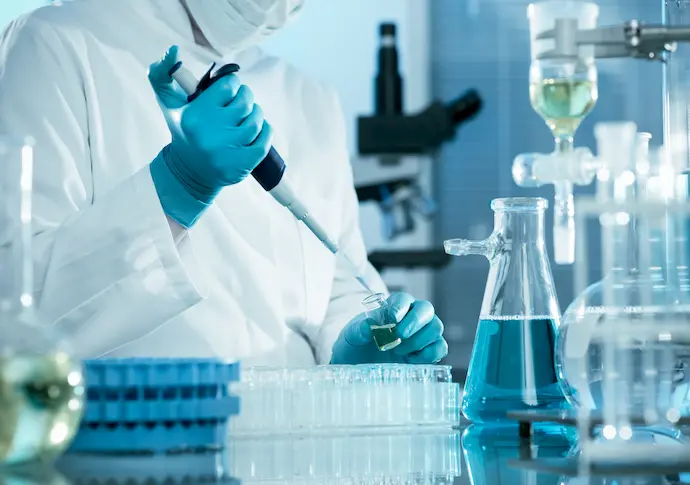
Pathobiology Laboratory
Pathobiology, or “biological pathology,” is a crucial branch of medicine that investigates the causes and nature of diseases through the meticulous examination of tissues, organs, and bodily fluids. This field combines biology and pathology to conduct an in-depth analysis of diseases, aiming to identify their biological and physiological roots. In practice, pathobiologists use various sophisticated techniques to extract vital information from patient samples, which is essential for physicians to accurately determine the type of disease and select appropriate treatment methods.
A distinctive feature of the pathobiology laboratory is its ability to meticulously examine the structure and function of cells and tissues. For instance, when dealing with various tumors, each with its own unique biology, pathobiologists use advanced methods to analyze the state of normal and abnormal cells. These analyses can help physicians opt for alternative, less invasive treatments such as pharmacotherapy, instead of resorting to invasive procedures like surgery.
After completing specialized and advanced training, pathobiologists acquire the necessary skills to interpret complex test results. This expertise enables them to obtain vital information about the health status of tissues and organs through techniques such as cellular staining and microscopic observations. This information can assist physicians in providing more precise treatments for diseases such as cancer, infections, and chronic illnesses.
Therefore, pathobiology serves as a fundamental pillar in the diagnosis and treatment of diseases, playing a vital role in medical care. Its close collaboration with other physicians, including pathologists, leads to improved treatment outcomes and greater accuracy in disease diagnosis.
Pathobiology is a vital branch of medicine that studies tissues, organs, and body fluids to uncover the causes and nature of diseases. This science builds a bridge between biology and pathology to identify the biological and physiological roots of illnesses.
Precise Cellular Analysis
Analyzing the structure and function of cells and tissues to understand disease biology.
Root Cause Diagnosis
Identifying the biological origins of diseases through patient samples.
Personalized Treatment
Helping physicians choose accurate and minimally invasive therapies.
Advanced Techniques
Using staining, microscopy, and complex tests to interpret results.
Interdisciplinary Collaboration
Playing a vital role in healthcare and working alongside pathologists.
Improved Diagnostic Accuracy
Providing precise data for treating conditions like cancer and infections.
Pathobiologists, with their expertise, provide essential insights that form the foundation of modern medical diagnosis and treatment.
Specialized diagnostic departments in pathobiology
A pathology laboratory (also known as a clinical pathology or medical laboratory) is composed of several specialized sections, each responsible for examining specific types of biological samples from the body. These sections, equipped with advanced technology and staffed by expert teams, play a crucial role in the accurate and timely diagnosis of diseases. In such laboratories, samples such as tissues, cells, blood, and bodily fluids are analyzed to determine the nature and severity of diseases.
Below are the main sections of a pathology laboratory and the types of samples examined in each:
1. Histopathology (Tissue Pathology)
This section focuses on the microscopic examination of tissue samples obtained through biopsies from various body parts (e.g., skin, breast, gastrointestinal tract, uterus, etc.). It is used to diagnose benign, malignant, or inflammatory lesions. The histopathology report derived from these examinations is one of the most critical resources for deciding on the initiation and type of treatment.
Sample Types: Tissue biopsies, surgical tissue specimens, tumors.
2. Cytopathology (Cellular Pathology)
Cytopathology focuses on examining individual cells shed from tissues or present in bodily fluids. Tests such as Pap smears, urine cytology, and analysis of fluids like pleural fluid, ascitic fluid, or bronchoalveolar lavage (BAL) fluid are performed here. This section plays a key role in cancer screening and detecting abnormal cells.
Sample Types: Pap smears, pleural fluid, ascitic fluid, urine, body secretions.
3. Molecular Genetics and Cytogenetics
This section specializes in identifying genetic and chromosomal disorders using advanced techniques such as PCR, FISH, karyotyping, and next-generation sequencing (NGS). Samples are typically collected from blood, bone marrow, or amniotic fluid. The analyses conducted here are essential for diagnosing congenital diseases, infertility, specific cancers, and genetic counseling.
Sample Types: Blood, bone marrow, amniotic fluid, fetal tissue.
4. Specialized Hematology
This section of the pathology laboratory focuses on analyzing blood and its components. Tests such as complete blood count (CBC), peripheral blood smear, flow cytometry, and blood-based tumor marker assays are performed here. Specialized hematology is widely used to diagnose blood disorders like leukemia, chronic anemia, thrombocytopenia, and coagulation disorders.
Sample Types: Peripheral blood, bone marrow.
Each section of the pathology laboratory plays a specialized and decisive role in disease diagnosis, depending on the type of sample and the condition being investigated. Seamless collaboration between these sections ensures that diagnoses are more accurate, faster, and more reliable.
At Nasle Farda Clinic, all these sections are equipped with advanced technology and staffed by experienced professionals, providing patients with precise and critical information to guide their diagnosis and treatment journey.
🏥 Pathobiology Laboratory: The Heart of Accurate Diagnosis
Why Pathobiology Laboratory?
Doctors often do not rely solely on physical examinations or medical history; they need deeper investigations for accurate diagnosis and to identify the root cause of disease.
A Vital and Key Role
This laboratory analyzes different samples of the body such as blood, urine, tissues, and other fluids to help doctors reach a precise and scientific diagnosis, which can be crucial for saving lives.
Wide Range of Tests
Depending on the suspected condition, these tests may include detailed examination of tissue cells, chemical analysis of blood, or detection of pathogens in various samples.
Multiple Specialized Sections
The lab consists of specialized departments such as Biochemistry, Hematology, Microbiology, and Molecular Pathology, each operating with advanced techniques and equipment.
Accurate Data for Treatment
These departments provide precise and valuable data, enabling doctors to choose the best treatment plans for their patients and ensure diagnostic and therapeutic accuracy.
In summary, the pathobiology laboratory is an essential tool in the process of disease diagnosis. By providing accurate scientific information, it helps doctors select appropriate treatment methods and ensures correctness in both diagnosis and therapy.
What goes on inside a pathobiology lab?
A pathology laboratory, as a specialized center for disease diagnosis and analysis, consists of several distinct sections, each playing a vital role in the detailed examination of biological samples. These sections work in coordination to ensure accurate and efficient diagnostics.
Histology Section
In this section, tissue samples are processed using cutting techniques to create extremely thin slices. These sections are placed on glass slides, stained, and examined under a microscope. Histology plays a key role in analyzing tissue structures and identifying pathological changes.
Staining Section
Staining is a critical step in the pathological diagnostic process. It involves the use of specific dyes to highlight different cellular and tissue components. Precise staining enables pathologists to clearly distinguish microscopic differences between healthy and diseased cells.
Immunohistochemistry (IHC) Section
This section uses specific antibodies to identify unique cellular characteristics in tissue samples. Immunohistochemistry is particularly useful in diagnosing tumors and other tissue disorders, providing essential information about the type and extent of disease progression.
Cytology Section
Cytology focuses on the study of cells and cellular structures in bodily fluids such as blood, urine, and other fluid samples. This section is crucial for diagnosing diseases like cancer, infections, and blood disorders.
Molecular Testing Section
This section employs advanced techniques such as PCR (Polymerase Chain Reaction) and FISH (Fluorescence In Situ Hybridization) for genetic analysis and the identification of molecular markers in samples. Molecular testing is especially effective for early disease detection and determining susceptibility to specific treatments.
Pathology Information Management Section
Proper information management is a critical aspect of any laboratory. This section is responsible for recording, storing, and processing data related to samples and pathological reports. Accurate information management ensures that results are correctly delivered to physicians and patients.
Image Diagnosis Section
This section utilizes advanced microscopic imaging and other imaging techniques such as radiology and ultrasonography to examine tissue changes. The obtained images assist pathologists in conducting more precise analyses and diagnoses.
These sections, working in close collaboration, provide comprehensive insights into patients’ biological conditions, aiding physicians in accurate diagnosis and the selection of optimal treatment strategies. Each section, with its specialized expertise and equipment, strives to enhance the precision and quality of the diagnostic process.
The pathology laboratory is a specialized center consisting of several vital departments that work together to provide the most accurate and rapid diagnoses.
These departments work closely together to provide comprehensive information about patients’ biological conditions, helping doctors make precise diagnoses and choose the best treatment methods. The ultimate goal is to enhance accuracy and quality in the diagnostic process.
Steps for performing a pathobiology test
The process of conducting a pathology test involves several precise and coordinated steps, each of critical importance. These steps must be performed with high accuracy to ensure reliable and precise results.
1. Sample Reception
The first step in the pathology testing process is sample reception. This step occurs only after receiving a formal request from a physician. During this stage, patient information and the required test type are meticulously recorded, and samples are prepared according to necessary standards.
2. Sample Collection and Preparation
After reception, the patient is guided for sample collection. Depending on the type of test, samples may be collected from blood, urine, bodily fluids, or tissues. The collected samples must be carefully separated, sectioned, and stored under appropriate conditions to prevent any alterations or contamination.
3. Sample Processing
Following collection, the sample processing stage begins. Samples may require microscopic sectioning, special staining, or molecular testing. This step is crucial, as precise sample preparation ensures the accuracy of the final results.
4. Sample Examination and Analysis
At this stage, the prepared samples are examined by specialized technicians and pathologists. Various techniques, such as microscopy, tissue staining, and molecular tests, are employed to obtain accurate results regarding the condition of cells and tissues.
5. Data Recording and Analysis
After thorough examination, the results and observations are recorded. This data includes numerical values, figures, and qualitative analyses, encompassing all vital information about the patient’s condition. This step requires high precision, as the data directly influences treatment decisions.
6. Report Compilation and Delivery
In the final step, all information and results from the sample examination are compiled into a comprehensive report. This report includes detailed findings and analyses and is sent to the referring physician. Using this report and comparing it with the patient’s symptoms and medical history, the physician makes a final diagnosis and determines the best treatment approach.
These coordinated and precise processes in the pathology laboratory ensure that the diagnoses provided to physicians are thorough and accurate, enabling them to deliver the best possible medical care to patients.
Biopsy Process in Pathobiology Laboratory 🔬
✨ Key Points Before Biopsy
🩹 Key Points After Biopsy
By following these simple guidelines, you can ensure your biopsy process is performed with maximum safety and accuracy.
If you have any questions or need special preparation, our laboratory staff at Nesl Farda Clinic are here to assist you. 📞
Difference between pathology laboratory and pathobiology laboratory
Both pathology and pathobiology laboratories play vital roles in the diagnostic process of diseases, but there are important distinctions between them that warrant careful consideration. Although pathobiology is rooted in the concept of pathology, it operates on a broader and more specialized scale. While pathology primarily focuses on diagnosing and examining tissue damage, pathobiology not only diagnoses these damages but also investigates and identifies their underlying causes.
This unique characteristic allows pathobiology to serve as a powerful tool for more accurate disease diagnosis. In other words, pathobiology goes a step beyond pathology by providing a more detailed and in-depth analysis of diseases from a biological perspective. In these laboratories, in addition to diagnosing tissue damage, biochemical, hormonal, microbiological, and molecular functions of the body are also examined.
One of the key strengths of pathobiology laboratories is the presence of multiple specialized sections, such as biochemistry, endocrinology, serology, hematology, and molecular biology, which enable comprehensive analysis of blood, urine, and other bodily fluid samples. These analyses contribute to a better understanding of diseases and clinical conditions, assisting physicians in selecting more precise and effective treatment methods. Thus, with its multidimensional and holistic approach, pathobiology is recognized as a fundamental step in the process of diagnosing and treating diseases.
New technologies in the pathobiology laboratory
Recent scientific and technological advancements have revolutionized the accuracy and speed of diagnostics in specialized laboratories. In pathobiology laboratories, the use of cutting-edge technologies has enabled the detection of diseases at early stages with high precision and detail—particularly in cancers, genetic disorders, and blood-related conditions.
Below are some of the most important advanced technologies used in pathobiology laboratories:
🧬 PCR (Polymerase Chain Reaction)
PCR is one of the most widely used laboratory methods today. This technology allows for the detection of extremely small amounts of DNA or RNA in samples.
In pathobiology laboratories, PCR is used to identify genetic mutations, viruses, bacteria, and specific cancer markers. This method is highly rapid and sensitive, and its results are critical for many treatment decisions.
💡 FISH (Fluorescence In Situ Hybridization)
FISH is one of the most precise cytogenetic techniques used to study the structure and number of chromosomes in cells.
With this technology, even very subtle genetic abnormalities can be detected.
In pathobiology laboratories, FISH is particularly used for diagnosing blood cancers, infertility, and congenital disorders.
🔬 Flow Cytometry
This technique analyzes the physical and chemical characteristics of cells using lasers. Flow cytometry can analyze thousands of cells in seconds, examining their structure, size, composition, and surface markers.
In pathobiology, this method is widely used for diagnosing blood cancers (leukemia and lymphoma), immune deficiencies, and classifying abnormal cells.
🧪 Immunohistochemistry (IHC)
This method uses antibodies to identify specific proteins in tissue cells.
IHC can determine whether a tumor is benign or malignant and even predict which type of medication a patient will respond to best.
This technology is crucial for classifying cancers, precisely diagnosing tumor types, and determining treatment pathways.
🧠 Digital Pathology Systems
In some advanced laboratories, such as pathobiology laboratories, tissue images are stored by digital scanners and analyzed using artificial intelligence software.
This approach enables faster, more accurate tissue examination without human error. It is also highly useful for archiving, consulting with other specialists, or sharing data with other diagnostic centers.
The use of these advanced technologies in pathobiology laboratories has not only elevated diagnostic precision but also enabled medical teams to detect diseases earlier and initiate treatment with greater clarity. At **Nasle Farda Clinic**, leveraging technologies such as PCR, FISH, flow cytometry, and IHC is an integral part of the specialized diagnostic process.
These tools ensure that even the smallest cellular or genetic changes—critical for early disease detection—are not overlooked.
Final Word 🔬
The pathology laboratory, as the heart of accurate disease diagnosis, plays a vital role in the treatment process. Utilizing advanced technology and the high expertise of professional teams, this laboratory can provide crucial information about your health status, enabling your physician to make the best decisions.
Paying attention to pre- and post-sampling care instructions not only safeguards your health but also ensures more accurate and reliable test results. Ultimately, selecting a well-equipped and reputable pathology laboratory not only aids in correct diagnosis but also provides patients with peace of mind and confidence throughout their treatment journey.
📞 Nasle Farda Clinic, leveraging the best equipment and experienced specialists, is always ready to provide you with reliable and high-quality services in the field of pathology.
Frequently asked questions
What should I consider before taking a sample?
You usually need to fast and inform the lab or doctor of any medications you are taking to make the results more accurate.
Can medications affect the test results?
Yes, some medications may alter test results, so it is essential to inform about the medications.
What care is required after sampling?
Keep the sampling site clean and dry, avoid touching or pressing on it to prevent infection or bleeding.
Can I continue my daily activities after the sample is taken?
Depending on the type of sample, it is usually okay after a blood sample, but it is best to rest after invasive samples such as a biopsy.
Is it necessary to fast before the test?
Yes, many tests require fasting to provide more accurate results.
What should I do if I experience unusual symptoms after the sample is taken?
If you have severe pain, abnormal bleeding, or infection, contact your doctor or laboratory immediately.
How long does it take for pathobiology test results to be received and how are they received?
The time it takes to receive results varies depending on the type of test, usually taking between a few hours to a few days, and you are usually notified through an in-person visit, a phone call, or the laboratory’s online system.