
Subspecialty Department of Obstetrics and Gynecology
The pregnancy and childbirth period is one of the most sensitive and important stages in every woman’s life, requiring precise and specialized care. During this period, choosing a skilled and knowledgeable obstetrician-gynecologist is crucial. Many women seek a doctor who is not only scientifically competent but can also create a sense of trust and peace of mind by respecting their privacy and addressing their emotional and physical needs. Therefore, selecting an obstetrician-gynecologist requires careful attention to various factors, ranging from professional and academic background to compassionate behavior and the ability to establish effective communication with patients.
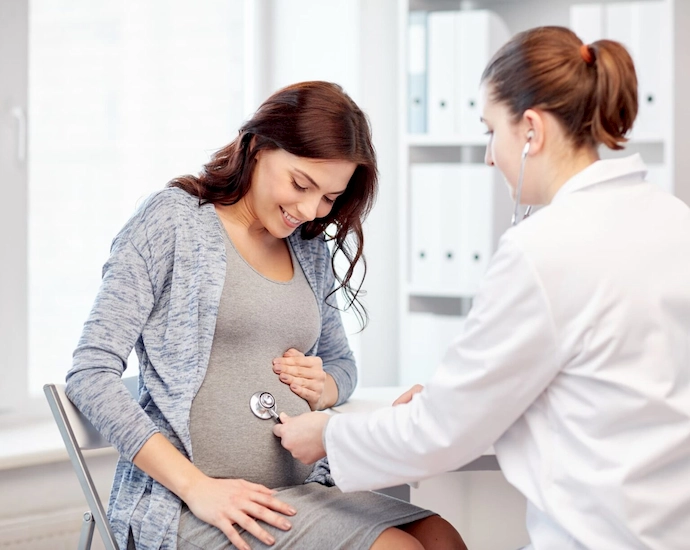
Important matters and services of the subspecialty department of obstetrics and gynecology
1. Infertility Management & Advanced Reproductive Technologies (ART)
Comprehensive evaluation of infertile couples using an etiological approach.
Offering a full spectrum of treatment options, including:
Ovulation Induction (OI)
Intrauterine Insemination (IUI)
In Vitro Fertilization (IVF)
Specialized Counseling: Providing dedicated counseling for couples facing infertility.
Third-Party Reproduction: Upon the medical team’s recommendation, facilitating donor egg programs, donor embryo arrangements, and gestational surrogacy.
2. Transvaginal Sonography
Detailed assessment of the uterine cavity and ovarian morphology.
Evaluation of ovarian reserve.
Screening and monitoring of conditions such as endometriosis.
3. Uterine & Tubal Factor Screening
Primary Screening: Initial evaluation via transvaginal sonography.
Advanced Diagnostics: Follow-up investigations including:
Hysterosalpingography (HSG) to assess tubal patency and uterine shape.
Saline Infusion Sonohysterography (SIS/SES) for detailed evaluation of the uterine cavity.
4. Recurrent Pregnancy Loss (RPL) Workup
Specialized, multidisciplinary investigation of recurrent miscarriage.
Collaboration with genetics, radiology, and laboratory teams for comprehensive diagnosis.
Implementation of targeted medical or surgical interventions based on identified causes.
Continuous pre-pregnancy and antenatal care and monitoring throughout the subsequent pregnancy.
5. Hysteroscopy
Operative & Diagnostic Procedures:
Removal of uterine septums.
Polypectomy.
Investigation into causes of recurrent implantation failure (RIF) and recurrent pregnancy loss (RPL).
6. Antenatal Care (ANC) & Prenatal Diagnostics
Full-spectrum pregnancy care and monitoring.
Referral to in-house units for advanced prenatal diagnostic procedures:
Chorionic Villus Sampling (CVS)
Amniocentesis
7. Routine Gynecological & Obstetric Monitoring
Papanicolaou (Pap) Smear for cervical cancer screening.
Non-Stress Test (NST) for fetal well-being assessment.
Clinical Breast Examinations with referral to the ultrasound unit for further imaging if required.
When should you refer to an obstetrics and gynecology specialist?
Visiting a gynecologist or obstetrician is not limited to pregnancy or menstruation; rather, women require medical follow-ups at various stages of life due to natural changes or the emergence of specific health issues. These changes, which occur from puberty to menopause, can sometimes be accompanied by serious complications and diseases. Timely visits to a doctor can prevent the progression of diseases and preserve women’s health.
During puberty, one of the first symptoms requiring medical attention is irregular and painful menstruation. Neglecting these issues can lead to conditions such as polycystic ovary syndrome (PCOS), infections, or even hormonal imbalances. Additionally, severe pain and abnormal bleeding should be taken seriously, as they may indicate more complex underlying conditions.
During pregnancy, regular care by a gynecologist-obstetrician is crucial. In addition to routine care, some women may face issues such as gestational diabetes, high blood pressure, or infections, which can affect the health of both the mother and the fetus. By promptly diagnosing and treating these problems, the doctor minimizes potential risks.
Menopause is also accompanied by significant changes in the body. Symptoms such as night sweats, vaginal dryness, and hot flashes can impact a woman’s quality of life. Consulting a doctor during this period can help reduce the severity of these symptoms and provide necessary recommendations for managing them.
In general, women should pay attention to changes in their bodies at every stage of life and promptly consult a gynecologist-obstetrician upon noticing any unusual symptoms. This proactive approach can prevent serious diseases and improve their overall health and quality of life.
Subspecialty in obstetrics and gynecology for women's diseases
Gynecological diseases are one of the most important reasons women visit gynecologists and obstetricians. If not diagnosed and treated in a timely manner, these issues can have serious impacts on women’s quality of life. Given the sensitive nature of gynecological conditions, specialists in this field provide a wide range of diagnostic and treatment services. Some of the most common gynecological issues include:
• Abnormal Uterine Bleeding
Abnormal uterine bleeding, which occurs without a clear cause, can appear at any age. This may include spotting between menstrual periods, heavy bleeding after menopause, and unexpected bleeding after intercourse. Such bleeding is often a sign of a more serious medical issue and requires thorough evaluation by a specialist.
• Abnormal Vaginal Discharge
Vaginal discharge is a natural part of reproductive health, but changes in its color, odor, or consistency can indicate problems such as fungal or bacterial infections, or even hormonal imbalances. Stress, the use of certain medications like antibiotics, and ovulation can also directly affect these discharges. If these changes persist, it is essential to consult a gynecologist for accurate diagnosis and treatment.
• Urinary Incontinence
Urinary incontinence is a common issue among women, often resulting from weakened pelvic floor muscles. Factors such as multiple pregnancies, chronic constipation, vaginal infections, and difficult childbirths can gradually lead to this condition. Treatment options include pelvic floor muscle strengthening exercises and, in some cases, surgical intervention.
Timely diagnosis and treatment of these conditions can prevent many serious future complications and significantly improve women’s quality of life.
Subspecialty in obstetrics and gynecology in the field of infertility treatment
Infertility treatment is one of the major challenges in the specialized field of obstetrics and gynecology. Thanks to scientific advancements, many infertility-related issues can now be diagnosed and treated effectively. Infertility is defined as the inability of a couple to achieve pregnancy after one year of regular, unprotected intercourse and can stem from various causes. One of the key roles of a gynecologist-obstetrician in this area is to identify the underlying cause of infertility and provide appropriate treatment solutions.
Various medical conditions can disrupt a woman’s fertility. Some of the most common issues include:
• Ovulation Disorders
Ovulation disorders are among the most significant causes of infertility. Hormones secreted by the hypothalamus and pituitary gland play a crucial role in regulating the menstrual cycle and the release of eggs. Any imbalance in these hormones can lead to problems with ovulation. Through examinations and hormonal tests, a gynecologist can identify and treat these issues.
• Polycystic Ovary Syndrome (PCOS)
Polycystic ovary syndrome is one of the most common ovarian disorders in women. This condition disrupts follicle maturation and leads to the formation of small cysts in the ovaries, which interferes with the ovulation process. Treatment for PCOS includes a combination of lifestyle modifications, medications, and, in more severe cases, surgical interventions.
• Blocked Fallopian Tubes
Another common cause of infertility is blocked fallopian tubes. The fallopian tubes are the site where egg fertilization occurs. If these tubes become blocked due to infections, inflammation, or scar tissue, the process of egg fertilization by sperm is hindered. Surgery or assisted reproductive techniques such as IVF can help address this issue.
In addition to these factors, lifestyle and personal care also play a significant role in improving fertility. Adopting a healthier diet, quitting tobacco and alcohol consumption, and reducing stress can lead to noticeable improvements in fertility. Timely diagnosis and proper treatment by a gynecologist-obstetrician can resolve many infertility issues, helping couples achieve their dream of parenthood.
Visiting an obstetrician-gynecologist for pregnancy problems
Pregnancy, while bringing many joys, can also present challenges and complications that require specialized care. During this period, numerous physical and hormonal changes occur in the body, and any unusual signs or issues should be carefully evaluated by an obstetrician-gynecologist. Regular visits to a specialist are essential not only for monitoring fetal health but also for ensuring the well-being and comfort of the mother.
The range of issues that may arise during pregnancy is diverse, and some require immediate medical intervention to prevent serious complications. Below are some common concerns pregnant women should be aware of:
• Braxton-Hicks Contractions
Also known as “practice contractions,” Braxton-Hicks contractions typically begin in the second trimester. They are often irregular and sporadic, serving as the body’s way of preparing for labor. These contractions can usually be alleviated by changing position or resting. However, if they become regular, intense, or persistent, it is important to consult a specialist to rule out risks such as preterm labor.
• Abdominal Pain and Discomfort
Abdominal pain is one of the most common symptoms during pregnancy, usually caused by uterine stretching and tissue changes. This discomfort may radiate to the thighs or legs. Relief measures such as gentle massage, warm showers, or changing positions can help. However, if the pain is accompanied by intense contractions or persists for an extended period, medical attention is necessary, as it may indicate more serious issues like preterm labor.
• Back Pain
Back pain is another frequent complaint during pregnancy, resulting from anatomical and hormonal changes. Pressure on the back muscles and shifts in posture can exacerbate this discomfort. Doctors often recommend wearing low-heeled shoes, avoiding prolonged standing, and refraining from lifting heavy objects. If back pain is severe or persistent, consulting a healthcare provider is essential to determine appropriate treatment measures.
Monitoring bodily changes and symptoms during pregnancy with the guidance of an obstetrician-gynecologist can significantly contribute to the health of both mother and baby, making this sensitive period more manageable and reassuring.
final word
In conclusion, it can be said that consulting a gynecologist-obstetrician is an essential and important step for many women in maintaining their physical and mental health. From infertility issues to pregnancy care and choosing delivery methods, every woman requires precise and specialized care. These services are crucial not only for individual well-being but also for the health of the family and future generations. Selecting a specialist who, in addition to knowledge and skills, instills a sense of trust and comfort in the patient can significantly impact the quality of treatment and care. Attention to experience, diagnostic and treatment capabilities, and effective communication with patients are important factors every woman should consider when choosing her doctor.
Frequently asked questions
When should we refer to an obstetrician-gynecologist to investigate infertility problems?
If couples have not been able to conceive after a year of regular attempts to conceive, it is recommended to see an obstetrician-gynecologist. If the woman is over 35 years old or has worrying symptoms such as menstrual irregularities or other problems, an earlier visit can help with timely diagnosis and treatment.
What symptoms during pregnancy should be considered as alarming and require immediate medical intervention?
Symptoms such as vaginal bleeding, severe and frequent contractions, decreased fetal movement, persistent headaches, severe and sudden swelling, and severe abdominal pain should be discussed with a doctor immediately to prevent serious problems.
Do all irregular uterine bleedings require immediate treatment?
Abnormal bleeding can be caused by problems such as hormonal imbalances, polyps, or fibroids. However, any irregular or heavy bleeding that is more than normal, especially during menopause, requires immediate evaluation by a doctor to determine the underlying cause and provide appropriate treatment.
How is polycystic ovary syndrome treated?
Polycystic ovary syndrome (PCOS) can be managed with a variety of methods, including lifestyle changes, hormonal medications, and in some cases surgery, depending on the severity of symptoms and the patient’s condition. The goal of treatment is to improve ovulation, regulate menstruation, and reduce symptoms associated with the syndrome.
How can you reduce back pain during pregnancy?
To reduce back pain during pregnancy, it is recommended to wear low-heeled shoes, avoid standing and sitting for long periods of time, and do special exercises to strengthen the back and pelvic muscles. Using a supportive pillow while sleeping and avoiding lifting heavy objects also help reduce this pain.
Is it necessary to visit a gynecologist regularly during pregnancy?
Yes, it is very important to visit your gynecologist regularly during pregnancy. These visits help to closely monitor the health of the mother and fetus and to promptly diagnose and treat any problems that may arise during pregnancy.